Turning complex journeys into clear priorities
Where the CX gap starts Information is often harder to find than expected. Journeys can feel unclear, next steps may not be obvious and small points of friction can reduce conversion without being...

25 juni 2026 | Geschreven door Carmen Bertelink

AI is changing the way people search, compare and make decisions online. For years, online visibility was mainly about strong SEO, relevant content, technical performance and a smooth path to conversion. But in an AI-driven customer journey, a larger part of that journey takes place outside the website. Consumers increasingly ask AI platforms for advice, comparisons and recommendations, and often receive a filtered answer instead of browsing through multiple websites themselves.
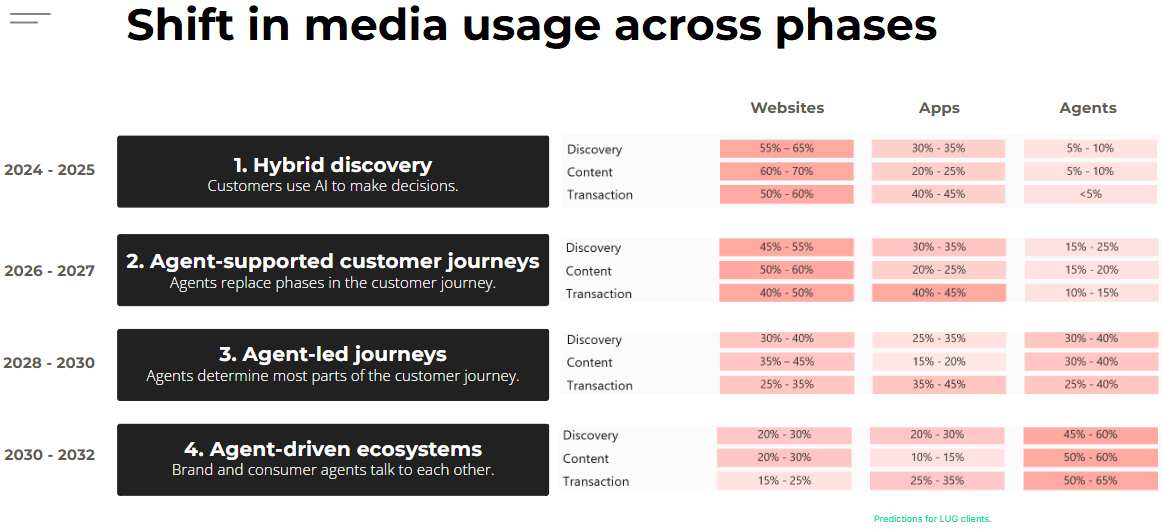
That means brands are no longer only trying to convince people on their own platforms. They also need to make sure they are understood, trusted and recommended by AI. This was the central theme of our recent webinar with Trustpilot, where Mark de Winter from ClickValue and Michelle Wrede from Trustpilot discussed the shift from SEO to AEO, and the growing role of brand trust in answer engines and AI-driven journeys.
A key takeaway was clear: online findability is no longer only about being present in search results. It is about being present in the answer. When visitors reach a website through an AI recommendation, they are often already further in their decision-making process. They may have compared alternatives, asked for the best option or described a specific situation. This makes AI-driven traffic valuable, but also more demanding. These visitors expect clarity, relevance and reassurance straight away.
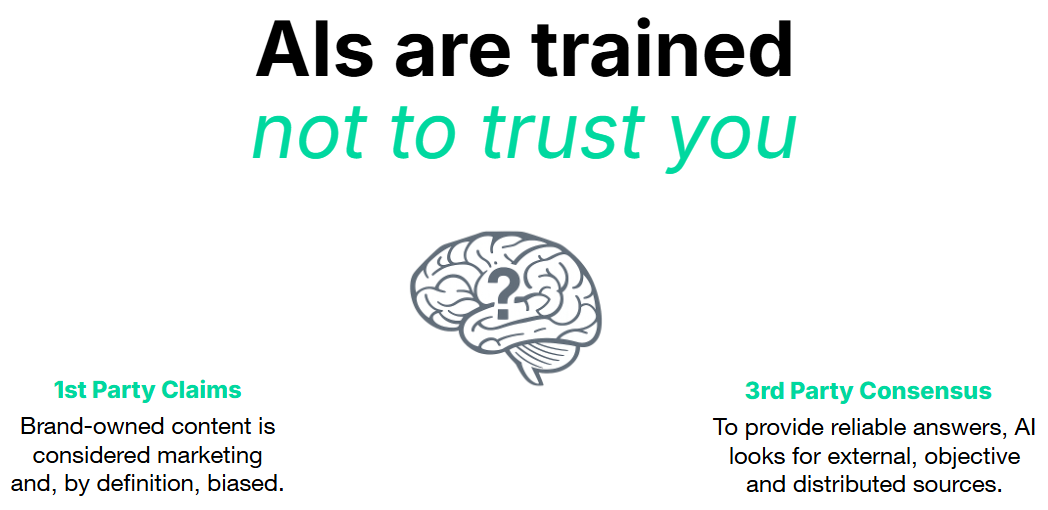
That is where trust becomes essential. AI systems are cautious with brand-owned claims, because what a company says about itself is often seen as marketing. External signals, such as reviews, ratings, reputation, user-generated content and independent sources, help AI systems understand whether a brand is reliable. Reviews are therefore becoming more than social proof on a product page. They are becoming signals that influence both human decision-making and AI recommendations.
This also changes the role of CXO. Customer Experience Optimisation has traditionally focused on improving the website experience: reducing friction, improving product pages, testing messages, optimising checkout flows and increasing conversion. In an AI-driven journey, optimizers need to look beyond the website alone. The question is no longer only: “How do we improve the experience after someone lands on our site?” It also becomes: “How do we make sure our brand is selected before the visit even happens?”
That creates a clear opportunity for optimizers. Reviews, customer feedback and external trust signals should not only be displayed on the website, but also used as research input. What do customers mention when they explain why they bought something? Which doubts or frustrations appear in reviews? Which topics come back often, such as sizing, delivery speed, product quality, service experience or price perception? These insights help brands understand what people need to know before they convert.
This is where AEO, Answer Engine Optimisation, becomes increasingly important. SEO helps brands rank in search engines. AEO helps brands become part of AI-generated answers. To do that well, brands need strong content, technical accessibility, structured data, consistent information across platforms and reliable third-party signals. In other words, they need to optimise for both people and machines.
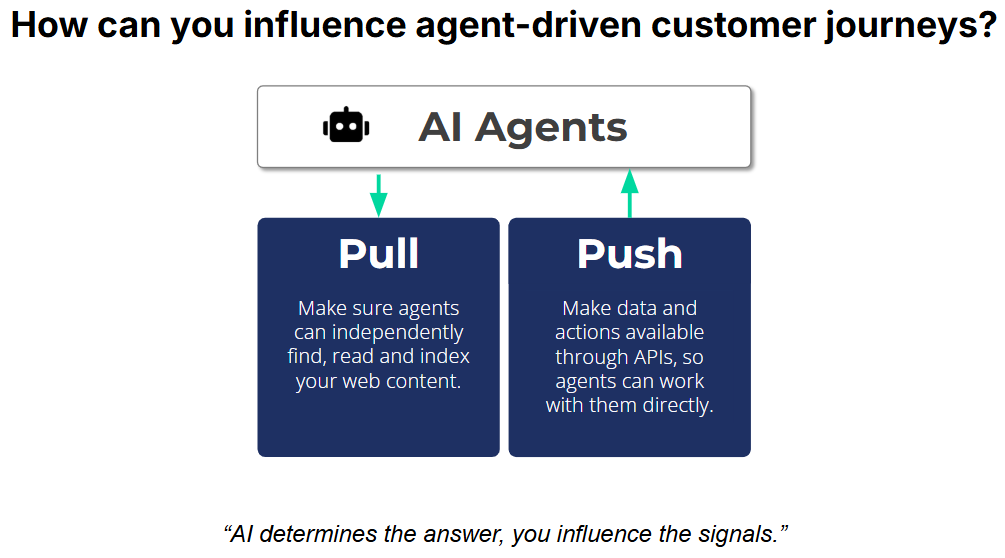
For CXO teams, this opens up a broader role. By combining review insights, customer research, structured product data and conversion optimisation, optimizers can influence the signals behind the AI answer. LLM and agentic research can help analyse large amounts of contextual information at scale, such as reviews, search behaviour, customer feedback, AI-generated answers, competitor content and support questions. These insights can then be translated into sharper product pages, clearer FAQs, stronger trust signals, better landing pages, improved chatbot answers, more relevant product recommendations and new A/B test ideas.
The future of CXO is therefore not less human because of AI. It is becoming more human. As machines take on a bigger role in filtering and recommending, real customer experiences become even more valuable. Reviews, feedback, expectations, doubts and moments of hesitation help brands understand what people truly need.
AI chooses. Trust decides. And for e-commerce brands, now is the moment to make sure both consumers and AI understand why your brand deserves to be recommended.
Want to know how LLM research can strengthen your optimisation strategy? Give us a shout!